

Honda AC Not Cooling in Miami: Causes, Symptoms, and the Fix
A practical service guide for Miami Honda owners dealing with warm air, weak airflow, humidity, and summer AC performance issues.
A Honda AC not cooling in Miami is usually caused by low refrigerant from a leak, a weak compressor, a clogged cabin air filter, condenser airflow problems, a blower issue, or an electrical fault. Honda of South Miami recommends scheduling an AC diagnostic when your vents blow warm air, airflow drops, cooling fades at idle, or the system works only during cooler morning drives. For a Coral Gables commuter whose Civic feels cool before work but struggles in afternoon traffic, we would test vent temperature, refrigerant pressure, compressor operation, and condenser fan performance before recommending any repair.
Miami heat puts Honda AC systems under real pressure because local drivers use climate control almost every month of the year. Stop-and-go US 1 traffic, South Florida humidity, school pickup lines, short trips, and hot pavement can make a small AC problem feel urgent fast. A system that is slightly low on refrigerant may still cool early in the day, then struggle when cabin heat builds and the condenser has less airflow in traffic.
In this guide, we explain the common causes of warm air, the safe checks you can make before booking service, what our technicians inspect during a Honda AC diagnostic, and how to think about repair costs before approving work. We also connect the symptoms to Miami driving conditions so you can decide when to schedule service instead of guessing.
Definition: Honda AC not cooling means the vehicle climate system is no longer producing enough cold air through the vents. It can be caused by airflow, refrigerant, compressor, condenser, electrical, or control-system issues. For drivers in Miami, Homestead, Kendall, Doral, Hialeah, and Pinecrest, the symptom is often most noticeable during heat, humidity, and traffic.
Table of Contents
- Why Your Honda AC Blows Warm Air in Miami Heat
- Honda AC Symptoms, DIY Checks, and When to Book Service
- Miami Heat, Humidity, and Honda AC Service Timing
- Service Expertise: What Our Technicians Inspect During a Honda AC Diagnostic
- Ownership Cost Analysis: AC Repair Cost Ranges to Verify Before Publishing
- Key Takeaways
- Honda AC Not Cooling in Miami FAQs
Why Your Honda AC Blows Warm Air in Miami Heat
Key Takeaway: Warm air from a Honda AC usually points to refrigerant loss, compressor trouble, airflow restriction, condenser problems, or electrical faults that become more obvious in Miami heat.
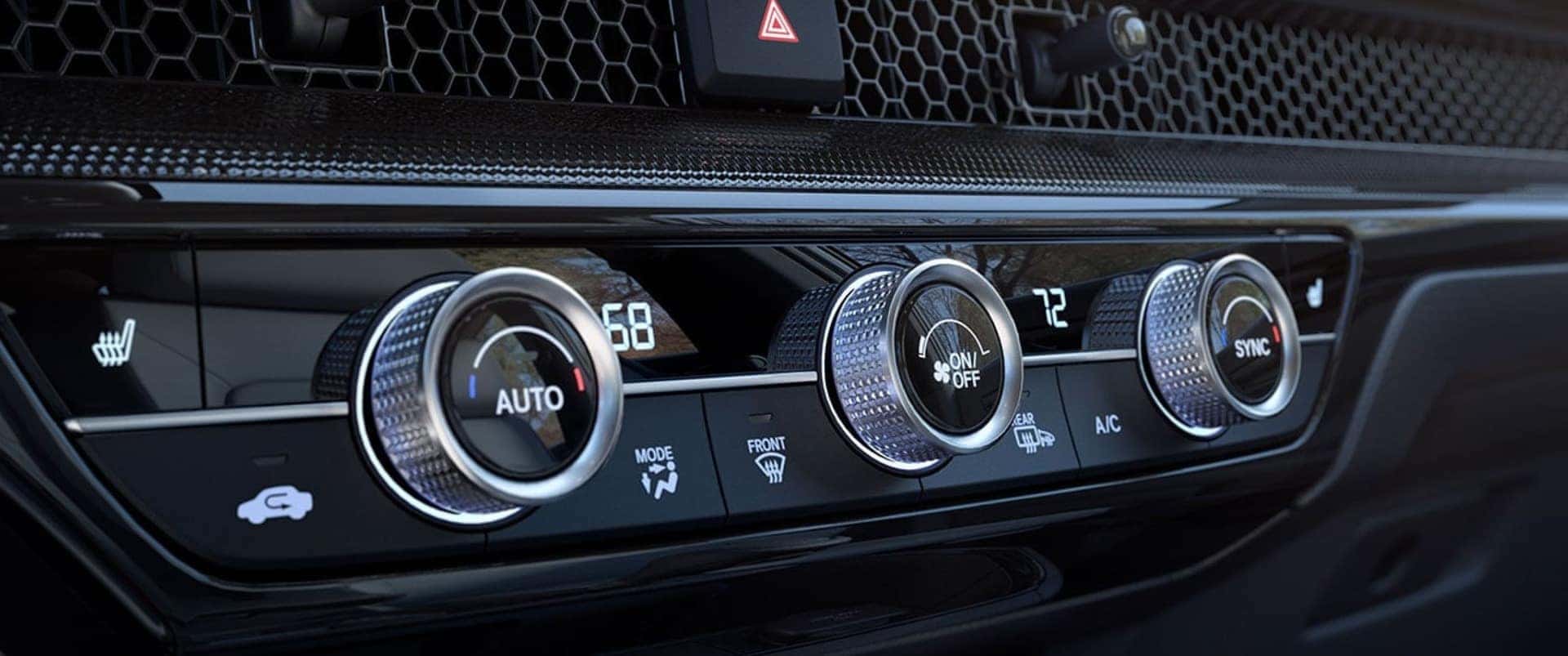
Low Refrigerant, Leaks, and Weak Cooling
Low refrigerant is one of the most common reasons a Honda AC starts blowing warmer air. Refrigerant does not get used up like gasoline, so a low charge usually means the system has a leak or another fault that needs diagnosis. Our technicians do not recommend simply adding refrigerant without checking the system because that may only mask the real issue and delay the correct repair.
Based on what our service team sees in Miami, weak cooling often shows up first during afternoon traffic. A Civic, Accord, CR-V, Pilot, or Odyssey may feel acceptable during a cool morning drive, then struggle when the cabin sits in the sun or when airflow over the condenser drops in slow traffic. We recommend a pressure test and leak inspection when cooling changes with temperature, driving speed, or time of day.
The most common Honda AC cooling complaints include warm air from the vents, cooling that fades at idle, an AC system that cycles on and off too often, oily residue near AC components, and cooling that improves briefly after the vehicle starts moving. Those symptoms do not prove the exact failed part, but they tell our technicians where to begin testing.
- If the AC cools briefly and then fades, we recommend checking refrigerant pressure and leak evidence.
- If cooling improves at highway speed, we recommend checking condenser airflow and cooling fan operation.
- If the system blows warm all the time, we recommend a full AC performance diagnostic.
- If the AC was recently serviced and became weak again, we recommend leak testing before any recharge.
| Possible Cause | Typical Symptom | Why It Matters in Miami | Recommended Next Step | Best For |
|---|---|---|---|---|
| Low refrigerant | Warm air or cooling that fades | High cabin heat makes a weak system feel worse | Pressure and leak test | Drivers with cooling that changes by time of day |
| Refrigerant leak | AC works after service, then becomes weak again | Heavy AC use can reveal small leaks faster | Leak detection and repair estimate | Older Honda vehicles or repeat AC complaints |
| Compressor concern | No cold air, noise, or inconsistent cooling | Stop-and-go traffic keeps the system under load | Compressor operation test | Drivers hearing noise or feeling total cooling loss |
| Condenser airflow issue | Cools better while moving than at idle | Traffic limits natural airflow over the condenser | Fan and condenser inspection | Doral or Coral Gables commuters in traffic |
| Clogged cabin air filter | Weak airflow, odor, or dusty vents | Humidity and pollen can make cabin airflow feel stale | Cabin filter inspection | Drivers with weak air but some cold temperature |
| Electrical or control fault | Intermittent cooling or vents not responding | Heat can make intermittent faults more noticeable | Electrical diagnosis and scan | Drivers with random or inconsistent AC behavior |
Based on Honda official website.
Compressor, Condenser, and Electrical Faults
The compressor is one of the core parts of the AC system because it helps circulate refrigerant through the system. If compressor operation is weak, noisy, intermittent, or not engaging correctly, the vents may blow warm even when the fan is working. Our technicians inspect compressor function as part of the diagnostic process instead of assuming the most expensive component has failed.
The condenser also matters because it helps release heat from the AC system. A condenser blockage, fan problem, or airflow issue can show up in Miami traffic because the vehicle is not getting the same natural airflow it gets at cruising speed. For a Doral commuter whose Pilot cools on the highway but gets warm at idle, we recommend checking condenser fan operation and system pressure before replacing parts.
Electrical faults can also create confusing AC symptoms. Relays, fuses, sensors, pressure switches, wiring concerns, and climate-control commands can all affect performance. Our service center uses diagnostic tools and Honda service information to narrow down the actual cause instead of treating warm air as a single-problem complaint.
Cabin Air Filter, Blower Motor, and Weak Airflow
Weak airflow is different from warm airflow. If the air coming from the vents is cold but barely moving, the problem may be a clogged cabin air filter, blower motor issue, vent restriction, or related airflow concern. Our technicians often start by separating temperature complaints from airflow complaints because the correct repair path depends on that difference.
For a Pinecrest driver whose Accord still produces cool air but the fan feels weak, we recommend checking the cabin air filter history before assuming refrigerant or compressor trouble. A dirty cabin filter can restrict airflow, reduce comfort, and make the AC feel weaker than it really is. In humid South Florida conditions, odor from the vents may also point toward moisture, filter age, or evaporator drain concerns.
Honda models such as Civic, Accord, CR-V, Pilot, and Odyssey are built for daily comfort, but the AC system still needs airflow and clean filtration to work properly. We recommend replacing cabin air filters according to maintenance needs and driving conditions, especially when the vehicle spends time in traffic, construction dust, tree pollen, beach sand, or humid parking conditions.
Honda AC Symptoms, DIY Checks, and When to Book Service
Key Takeaway: Safe owner checks can confirm airflow, filter history, and settings, but warm air, intermittent cooling, leaks, noises, and repeated AC problems need professional diagnosis.
AC Symptom Table: What Warm Air, Weak Airflow, Noise, or Odor Can Mean
The best way to approach a Honda AC concern is to describe the symptom clearly. Warm air, weak airflow, noise, odor, and cooling that changes with speed can point to different systems. We recommend writing down when the problem happens, how long the vehicle has been running, whether the fan speed changes, and whether the AC works better while moving.
| AC Symptom | Possible Cause | Safe Owner Check | Technician Diagnostic | Urgency | Ideal Next Step |
|---|---|---|---|---|---|
| Warm air all the time | Low refrigerant, compressor issue, electrical fault | Confirm AC mode and temperature settings | Pressure, compressor, and electrical test | High in Miami heat | Schedule diagnostic service |
| Cold while moving, warm at idle | Condenser fan or airflow issue | Note whether cooling improves on highway | Condenser fan and pressure testing | Medium to high | Book service before traffic driving worsens comfort |
| Weak airflow | Cabin filter, blower, restriction | Check cabin filter service history | Airflow and blower inspection | Medium | Inspect filter and airflow system |
| Musty odor | Cabin filter, moisture, evaporator drain concern | Note odor timing and humidity conditions | Filter, drain, and evaporator area inspection | Medium | Schedule cabin air and AC inspection |
| Noise when AC turns on | Compressor, belt-driven component, blower issue | Note whether sound changes with fan speed | Compressor and blower diagnosis | High if noise is sharp or worsening | Stop guessing and schedule service |
| Intermittent cooling | Sensor, relay, compressor, refrigerant pressure | Record when cooling cuts in and out | Electrical scan and pressure test | Medium to high | Diagnostic service with symptom notes |
Based on Honda official website.
The key difference between a safe owner check and a professional AC diagnostic is the level of risk and precision. We are comfortable with owners confirming settings, checking whether air is weak or warm, and reviewing cabin filter history. We recommend scheduling service when the concern involves refrigerant, compressor operation, electrical testing, leak detection, or repeated warm air because those checks require proper equipment and trained technicians.
Use-Case Recommendations for Miami Honda Owners
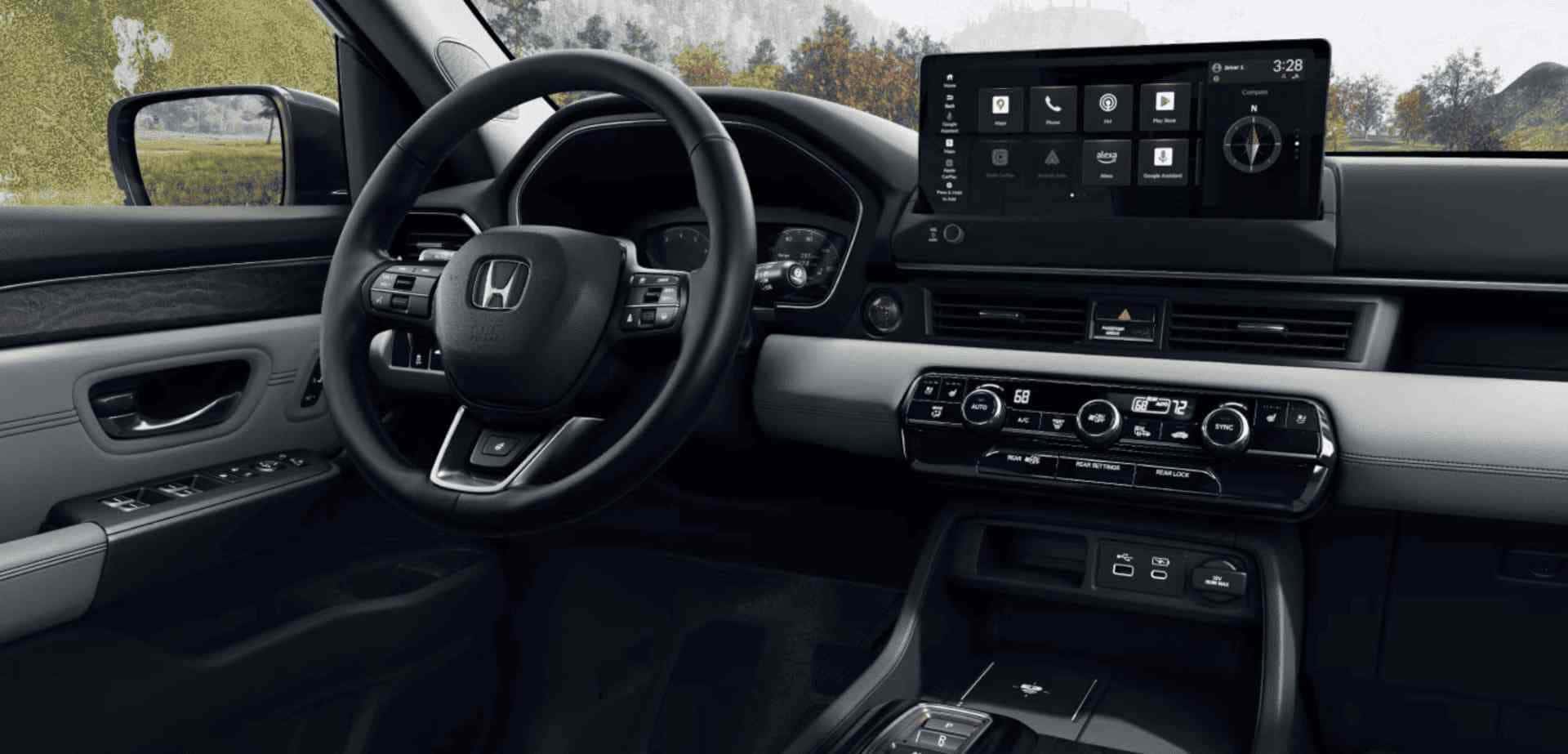
Our customers often describe AC problems based on daily routines rather than technical terms. That helps us because the pattern can point toward the system area that needs attention. If your Honda cools differently in traffic, on the highway, in the morning, or after sitting in the sun, that timing gives our technicians useful diagnostic information.
- If your CR-V cools at highway speed but not in Kendall school pickup traffic, we recommend diagnostic service because condenser fan or airflow issues may be involved.
- If your Accord blows weak air in Pinecrest but the air still feels cool, we recommend checking cabin filter history and blower performance before assuming refrigerant trouble.
- If your Civic cools in the morning but struggles during Coral Gables afternoon traffic, we recommend an AC performance test with vent temperature and pressure readings.
- If your Pilot has odor plus weak airflow after beach or park weekends, we recommend cabin filter, evaporator drain, and airflow inspection.
For Miami Honda owners, we recommend booking AC service when the system blows warm air, cooling fades at idle, airflow becomes weak, or the AC problem repeats after a recharge. Those symptoms usually need pressure testing, leak checking, compressor operation testing, or electrical diagnosis. A fast appointment can prevent days of uncomfortable driving and helps us identify the actual cause before you approve repairs.
We can help you schedule a Honda AC diagnostic around your day so the process is clear from the start. Our certified technicians can inspect AC performance, cabin filter condition, refrigerant pressure, compressor operation, condenser fan behavior, and related controls before we recommend a repair. You can use our online service scheduler, call us at 786-551-4133, or visit our service center if your AC is not keeping up with Miami heat. We work with Honda Civic, Accord, CR-V, Pilot, Odyssey, Passport, HR-V, and Ridgeline owners across South Miami, Coral Gables, Kendall, Pinecrest, Doral, Hialeah, and Homestead. We will explain the findings, review your options, and help you decide what makes sense before work begins.
Miami Heat, Humidity, and Honda AC Service Timing
Key Takeaway: Miami heat, humidity, traffic, and year-round AC use make small cooling problems more noticeable and make timely AC service more important.
Local Driving Conditions That Stress Honda AC Systems
Honda AC systems work hard in Miami because local driving rarely gives them an easy day. A vehicle may sit in direct sun, cool a hot cabin, idle in school pickup, move slowly through US 1 traffic, then repeat the same pattern later in the afternoon. That kind of use can make weak cooling, odor, and airflow restrictions more obvious than they might be in a cooler climate.
For Kendall parents sitting in pickup lines, we recommend prompt AC inspection when the system cools less at idle because the concern may involve refrigerant pressure, condenser fan operation, or airflow. For Coral Gables and South Miami commuters who sit in heavy afternoon traffic, we recommend service when cooling changes based on vehicle speed or outside temperature. Our location on South Dixie Highway makes it practical for drivers across Miami-Dade to stop in before the issue becomes a daily problem.
| Miami Driving Condition | How It Affects AC Comfort | Honda Owner Scenario | Recommended Service Step | Ideal Use Case |
|---|---|---|---|---|
| US 1 traffic | Less airflow over condenser during slow driving | Accord cools better once traffic clears | Condenser fan and pressure test | South Miami commuters |
| School pickup lines | Cabin heat builds while vehicle idles | CR-V struggles while waiting in Kendall | AC performance diagnostic | Parents with daily pickup routines |
| High humidity | Moisture and odor complaints become more noticeable | Odyssey vents smell musty after rain | Cabin filter and drain inspection | Family vehicles with rear passengers |
| Short trips | System may not have time to cool a heat-soaked cabin | HR-V feels warm on quick errands | Vent temperature and airflow check | Hialeah errand drivers |
| Beach and park weekends | Sand, pollen, and moisture can affect cabin filter comfort | Pilot airflow feels weak after outdoor weekends | Cabin filter and blower inspection | Homestead and weekend drivers |
| Summer parking | Interior heat load is high before AC starts working | Civic takes too long to cool after work | Full AC system test | Doral office commuters |
We are ready to help you plan AC service before the problem turns into a full summer comfort issue. Our service center is located at 16165 S Dixie Hwy, Miami, FL 33157, and we serve drivers from South Miami, Coral Gables, Kendall, Pinecrest, Doral, Hialeah, Homestead, and nearby communities. You can review our Honda service offers, use our service scheduler, or call us at 786-551-4133 to ask about AC diagnostic availability. We can also look at related maintenance items such as cabin air filters, belts, battery health, and multi-point inspection needs during the visit. Our goal is to give you a clear diagnosis, a practical repair plan, and a Honda service experience that fits your Miami driving routine.
Service Expertise: What Our Technicians Inspect During a Honda AC Diagnostic
Key Takeaway: A proper Honda AC diagnostic checks temperature, pressure, airflow, compressor operation, leak evidence, electrical controls, and cabin filtration before recommending repair.
What most owners do not realize is that warm air can come from several system areas, so the diagnostic process matters. Our technicians start by confirming the complaint, then measure vent temperature and compare it against operating conditions. From there, we inspect airflow, compressor behavior, refrigerant pressure, condenser fan operation, cabin filter condition, and related electrical controls.
For a Homestead driver with an older Honda that cools only after long highway driving, we recommend a full diagnostic rather than a quick recharge. That pattern could involve refrigerant level, compressor function, airflow, or control behavior. Our service team uses the diagnostic results to explain the cause and avoid replacing parts that do not solve the complaint.
| Diagnostic Step | What We Check | Why It Matters |
|---|---|---|
| Vent temperature test | Actual air temperature from the vents | Confirms the performance complaint |
| Pressure test | System pressure under operating conditions | Helps identify refrigerant or restriction concerns |
| Compressor check | Engagement, noise, cycling, and operation | Identifies major cooling-system problems |
| Condenser and fan inspection | Heat exchange and airflow support | Explains cooling loss in traffic or at idle |
| Cabin filter and blower check | Filter condition and airflow strength | Separates weak airflow from warm airflow |
| Electrical and control review | Switches, sensors, commands, and related controls | Finds intermittent or control-related AC issues |
Ownership Cost Analysis: AC Repair Cost Ranges to Verify Before Publishing
Key Takeaway: Honda AC repair cost depends on the confirmed cause, so diagnosis should come before any repair estimate or part replacement.
AC pricing depends on the Honda model, model year, refrigerant type, part availability, labor time, and the diagnostic result. A cabin air filter service is very different from a compressor replacement, and a small leak is different from a damaged condenser. We recommend confirming the cause first, then reviewing the repair estimate with our service advisor.
| Service or Repair Category | When It May Apply | Cost Range Before Publishing | What Must Be Verified |
|---|---|---|---|
| Cabin air filter replacement | Weak airflow, odor, dusty vents | [VERIFY] | Filter price, labor policy, model fitment |
| AC diagnostic | Warm air, intermittent cooling, uncertain cause | [VERIFY] | Diagnostic fee and what is included |
| Refrigerant leak repair | Low pressure or repeat recharge need | [VERIFY] | Leak location, parts, labor, refrigerant type |
| Compressor replacement | Confirmed compressor fault or noise | [VERIFY] | Model-specific compressor, related parts, labor |
| Condenser replacement | Confirmed condenser leak or damage | [VERIFY] | Part availability, refrigerant recovery, labor |
- If your budget is the main concern, we recommend starting with a diagnostic so the estimate is based on facts.
- If you need the vehicle for school or work, we recommend asking about timing before approving repair.
- If your Honda may still have warranty coverage, we recommend checking coverage before paying out of pocket.
- Use genuine Honda parts when the repair involves model-specific AC components.
- Avoid repeat recharge attempts without leak diagnosis.
- Keep cabin filter service current to protect airflow and comfort.
Key Takeaways
- Warm air from a Honda AC often points to refrigerant, compressor, condenser, airflow, or electrical concerns.
- Weak airflow can be a cabin air filter or blower issue instead of a refrigerant problem.
- Miami heat and traffic make small AC issues feel worse during daily driving.
- A diagnostic should confirm the cause before any repair estimate is approved.
- We recommend scheduling service when cooling fades, airflow weakens, or the issue repeats.
Honda AC Not Cooling FAQs
Why is my Honda AC blowing warm air in Miami?
A Honda AC may blow warm air in Miami because of low refrigerant, a refrigerant leak, compressor trouble, condenser airflow problems, a clogged cabin air filter, or an electrical fault. Based on what our technicians see in South Florida heat, we recommend scheduling an AC diagnostic if the system cools in the morning but struggles in afternoon traffic. That pattern can point to pressure, airflow, or condenser fan concerns.
Can I recharge my Honda AC myself?
We do not recommend relying on a DIY recharge as the first fix when your Honda AC is not cooling. Low refrigerant usually means the system has a leak or another issue that should be diagnosed. Adding refrigerant without checking the system can delay the correct repair and may not solve the problem. We recommend pressure testing and leak inspection before any recharge decision.
How often should I replace my Honda cabin air filter?
Cabin air filter timing depends on your model, maintenance history, and driving conditions, but Miami drivers may need attention sooner when they deal with humidity, pollen, dust, beach sand, or frequent traffic. If airflow feels weak but the air is still cool, we recommend checking the cabin filter before assuming a major AC repair. Our service team can inspect it during your visit.
How do I schedule Honda AC service in Miami?
You can schedule Honda AC service through our online service scheduler, call us at 786-551-4133, or visit our service center at 16165 S Dixie Hwy, Miami, FL 33157. We recommend noting whether the air is warm, weak, noisy, musty, or intermittent so our technicians can begin with the most useful diagnostic path.
Related Articles
Keep reading more Honda service guides, hybrid shopping tips, and family vehicle comparisons from Honda of South Miami.
Service Guide
Schedule Honda Service in South Miami
Book Honda maintenance, inspections, and service visits with our South Miami team when your vehicle needs attention.
Service Offers
Honda Service Specials Near Miami
Review current service opportunities before your next maintenance or diagnostic visit at Honda of South Miami.
Parts Support
Genuine Honda Parts for Miami Drivers
See how genuine Honda parts support long-term fit, quality, and confidence when your Honda needs replacement components.
Hybrid Guide
Shop Honda Hybrid and EV Models
Compare Honda hybrid and electric options for Miami commuting, family errands, and efficient South Florida driving.
0 comment(s) so far on Honda AC Not Cooling in Miami: Causes, Symptoms, and the Fix